Understanding Nasi Kandar and Its Cultural Significance
Nasi Kandar is a vibrant culinary tradition that has transcended its historical origins to become a beloved dish across Malaysia, especially in Penang. This dish, which consists of rice served with a variety of curries and side dishes, is deeply rooted in the culture and history of the region. It represents the fusion of flavors brought by Tamil Muslim traders who introduced their cooking styles and spices in the 19th century. Today, Nasi Kandar is not merely a meal but a ritual that celebrates the rich culinary heritage of Malaysia. For those interested in discovering more about this tradition, rokok88 login offers insights into local flavors and dining experiences.
What is Nasi Kandar?
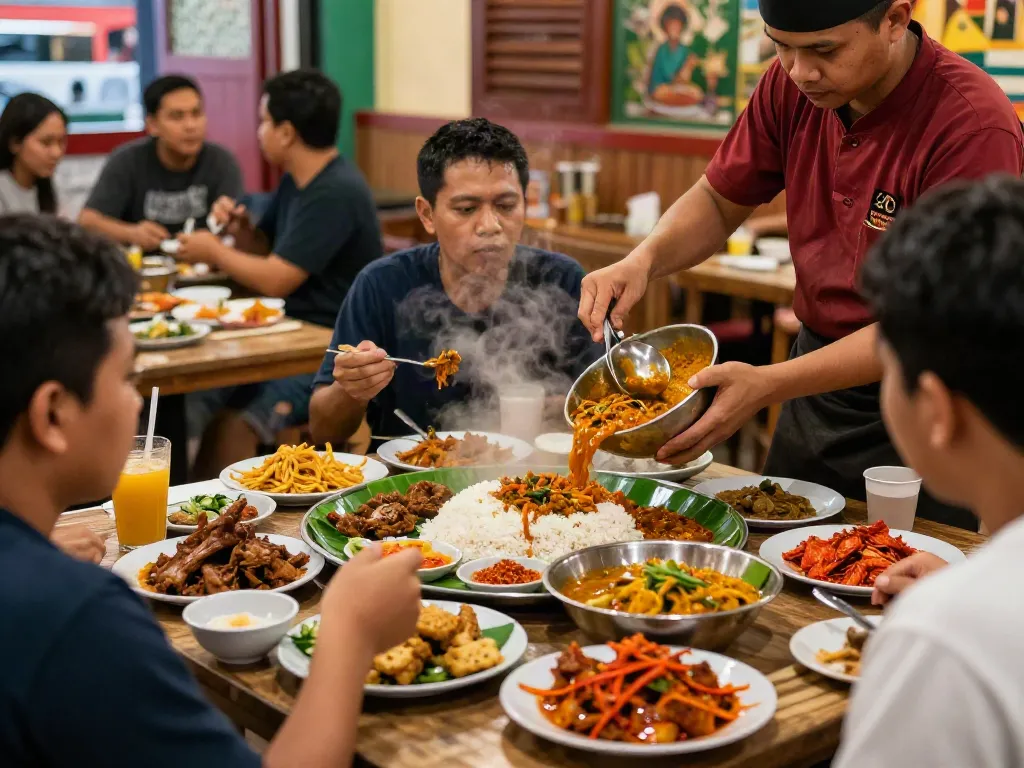
Nasi Kandar, literally meaning 'carried rice', is a dish that features steamed rice served with a mix of curries and side dishes. The term 'kandar' refers to the traditional method of carrying food on a pole (or kandar) over one’s shoulder. This unique dining experience is characterized by the option to customize one’s plate with a variety of choices, from meats to vegetables, drenched in rich, flavorful curries. The combination of different curries creates a distinct tasting experience, making each meal unique.
Historical Roots of Nasi Kandar
The tradition of Nasi Kandar dates back to the 19th century when Penang emerged as a bustling port. Laborers working in the docks needed a substantial meal to energize them for their demanding tasks. Tamil Muslim vendors began selling this hearty dish, allowing workers to pick their rice, curries, and proteins from a selection carried on poles. The simplicity and flexibility of Nasi Kandar made it exceedingly popular, evolving over the years as it was embraced by various communities.
Why Nasi Kandar is More than Just a Meal
Nasi Kandar is a culinary representation of multicultural Malaysia, embodying flavors from Indian, Malay, and Chinese cuisines. It is not just food; it is a social experience that brings people together. Dining at a Nasi Kandar restaurant is about more than just satisfying hunger; it’s about enjoying the communal aspect of sharing meals and experiences, making it a significant part of local culture and identity.
Exploring the Famous Dishes of Nasi Kandar
Must-Try Curries and Dishes
The array of dishes available at a Nasi Kandar restaurant can be overwhelming yet exhilarating. Some of the must-try dishes include:
- Ayam Goreng Berempah: Spicy fried chicken marinated with aromatic herbs and spices.
- Sotong Sambal: Squid cooked in a spicy and tangy sambal sauce.
- Udang Masak Lemak: Prawns simmered in a rich coconut milk sauce with a hint of acidity.
- Terung Berlada: Eggplant stir-fried with a fiery chili paste.
- Ikan Kembung Goreng: Fried mackerel fish that is crispy on the outside and succulent on the inside.
- Kari Kambing: Tender goat meat cooked in an aromatic and spicy curry.
Highlighting Authentic Ingredients
The authenticity of Nasi Kandar lies in its ingredients. Fresh produce, locally sourced meats, and a blend of spices are used to create each dish. Traditional spices such as cumin, coriander, and turmeric are staples in Nasi Kandar curries, contributing to their distinctive flavors. The freshness of the ingredients not only elevates the taste but also reflects the culinary heritage of Penang.
Combining Flavors for the Perfect Meal
One of the highlights of enjoying Nasi Kandar is the ability to mix and match various curries and dishes. The ritual of 'banjir', where multiple curries are poured over the rice, is what sets Nasi Kandar apart from other rice dishes. This technique allows diners to experience a symphony of flavors in each bite, creating an unforgettable dining experience.
How to Experience Nasi Kandar Like a Local
Choosing Your Base: Rice Options
When it comes to Nasi Kandar, the choice of rice is crucial. Diners can choose between white steamed rice, fragrant briyani rice, or even yellow turmeric rice. Each type of rice pairs beautifully with the various curries and adds its own unique flavor to the meal.
Picking Your Lauks: Customization Tips
Customization is key when it comes to Nasi Kandar. Diners should consider their preferences for spice levels and meat types. The variety available means that one can experiment with different combinations of lauk (side dishes) and sauces to create a personalized meal. Don’t hesitate to ask for recommendations from the staff, as they can help guide you to the best pairings.
The Ritual of 'Banjir': Mixing Curries
The 'banjir' method is integral to enjoying Nasi Kandar. After choosing your base and lauk, a mix of curries is poured over the rice, saturating it for maximum flavor. The more curries, the more authentic the experience. For the best results, try balancing creamy and spicy curries to get a blend of textures and tastes that will keep you coming back for more.
Common Misconceptions About Nasi Kandar
Separating Fact from Fiction
One common misconception about Nasi Kandar is that all establishments offer the same quality and style. In reality, each restaurant has its unique take, influenced by the chef’s heritage and culinary philosophy. Exploring different Nasi Kandar spots can reveal a diversity of flavors and recipes.
Understanding Authentic Nasi Kandar
Authenticity is often debated, with some claiming that only traditional vendors can serve 'real' Nasi Kandar. However, modern interpretations and innovative presentations can also offer authentic experiences, provided they respect the foundational elements of the dish.
The Influence of Regional Variations
While Nasi Kandar is most closely associated with Penang, variations exist throughout Malaysia and beyond. Each region may introduce its local ingredients, spices, and cooking techniques, enhancing the dish’s reputation as a versatile and dynamic meal option.
Future of Nasi Kandar and Culinary Trends in 2026
Emerging Trends in Malaysian Cuisine
As we move toward 2026, Nasi Kandar is poised for exciting developments. An increasing focus on health-conscious ingredients and sustainable practices may influence traditional recipes, making them more appealing to a modern audience. Vegan and vegetarian adaptations are also gaining popularity among diners seeking plant-based options.
The Role of Technology in Food Experiences
Technology will play a crucial role in how Nasi Kandar is experienced. From online ordering systems to innovative ways of showcasing dishes through social media, the entire dining experience is becoming more interactive and engaging. Restaurants may use virtual reality to educate diners about the origins of their food, making the meal a comprehensive sensory experience.
What to Expect from Nasi Kandar in the Coming Years
As global culinary trends continue to evolve, Nasi Kandar will likely maintain its traditional roots while adapting to contemporary palates. Cross-cultural collaborations between chefs and culinary artists may lead to exciting new interpretations, ensuring that Nasi Kandar remains a staple dish that resonates with both locals and tourists alike.
What is the origin of Nasi Kandar?
The origin of Nasi Kandar traces back to the 19th century in Penang, where Tamil Muslim vendors served this hearty meal to laborers. The dish has evolved while retaining its cultural significance.
How do I choose the perfect combination of lauk?
Selecting the perfect combination of lauk involves considering your taste preferences, dietary restrictions, and the desired level of spiciness. Don’t be shy to mix various meats and vegetables to find your ideal flavor profile.
Is Nasi Kandar healthy?
While Nasi Kandar can be indulgent, it can be made healthier by opting for grilled or steamed proteins and loading up on vegetables. Moderation is key to enjoying this delicious dish.
What are the best side dishes to try with Nasi Kandar?
Popular side dishes include fried egg, cucumber slices, and various pickles. These complement the main meal and provide a balance of textures and flavors.
Where can I find authentic Nasi Kandar outside Malaysia?
Authentic Nasi Kandar can occasionally be found in major cities with significant Malaysian communities. It’s often best to seek out restaurants owned by Malaysians or those that specialize in Malaysian cuisine for the most genuine experience.